
Sonic Rebrand: Delta Air Lines
Delta’s brand stands out among U.S. carriers for its premium image, commitment to innovation, operational consistency, and passenger-oriented service. However, pricing complexities and evolving customer expectations present ongoing challenges in a highly contested competitor landscape. In this project, I will explore how sound can be an invaluable tool in the arsenal of Delta’s marketing strategy to ensure their brand is not only well-positioned and accurately communicated, but tonally strengthened and modally aligned in the eyes (and ears) of their customers.
I will first provide an overview of Delta’s own stated corporate values before stepping through how the customer journey of a passenger could be best experienced through sound. These will provide the emotional and experiential basis for the creation of a scalable sound vocabulary which will lay the foundation for an informed sonic identity.
Brand Attribute
Emotional Goal
The customer should associate Delta with passenger-forward practices, feeling confident that any issues during transit will be resolved in an accommodating and timely manner. Because air travel is a congested industry with fine-margins and unpredictability, responsive and empowered customer service becomes a key factor in brand success.
Customer Service
With industry-leading technology adoption such as in-house infotainment and mobile app development, T-Mobile partnerships for in-flight live TV, Wi-Fi, and cell service, and cutting-edge biometric security, Delta consistently positions itself as the most forward-thinking domestic airline.
Innovation
Though statistically improbable, flying does carry inherent risk, making it essential for Delta to ensure customers feel safe, while also delivering consistent performance in more routine areas like delays and disruptions. In 2024, Delta reinforced this perception by leading North America in on-time metrics, with 83% of its flights arriving as scheduled.
Trust & Reliability
As a ubiquitous presence in annual airline satisfaction rankings, Delta strategically emphasizes refinement and comfort, looking to capture higher-yield, premium travel revenue. The customer should feel that Delta prioritizes quality over all else.
Premium Comfort
Ideas for Sonic Translation
A warm and rounded mid-range to convey the reassurance of having peace-of-mind. Rhythmic diversity to showcase the breadth of Delta’s problem-solving capabilities.
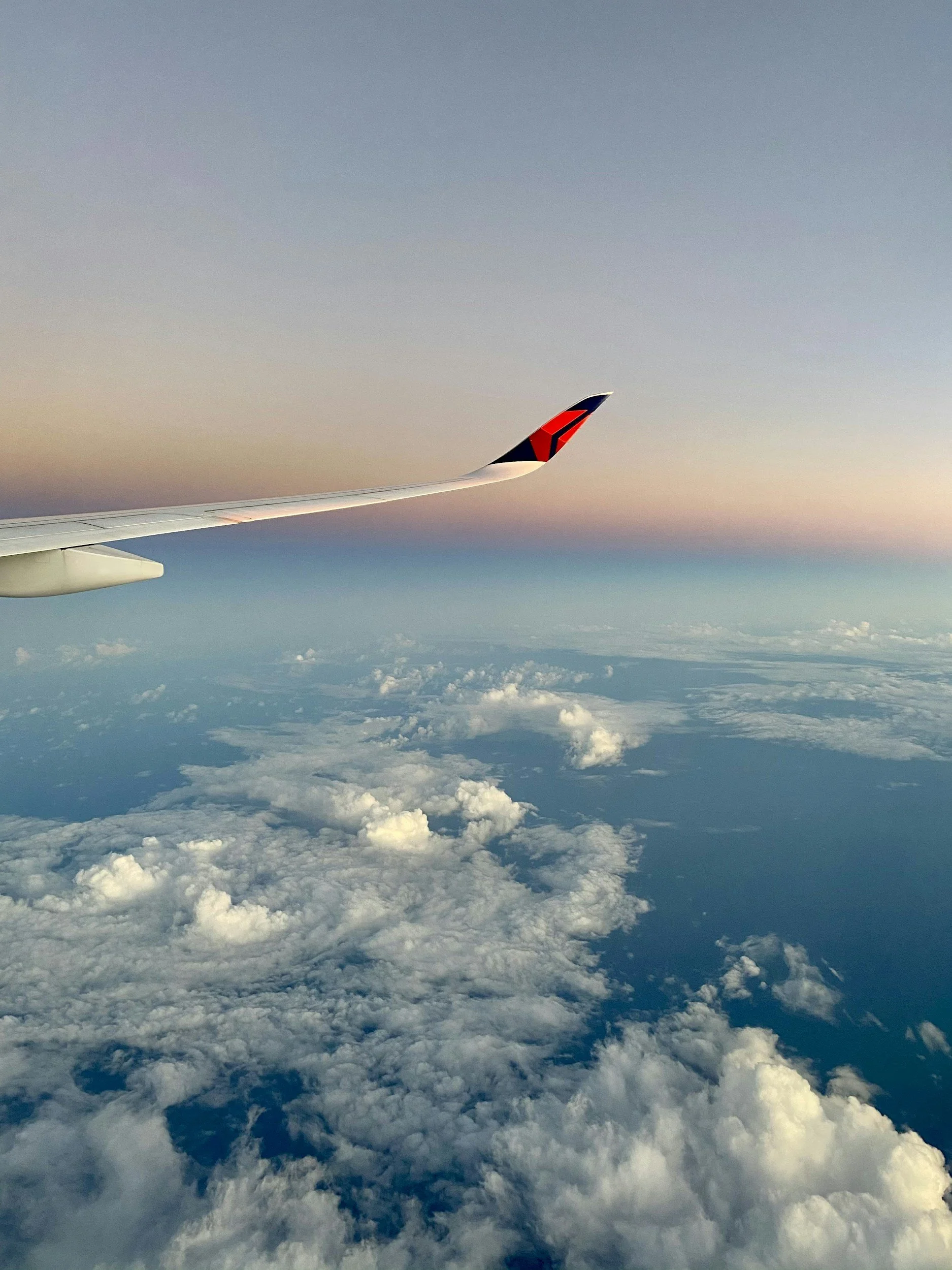
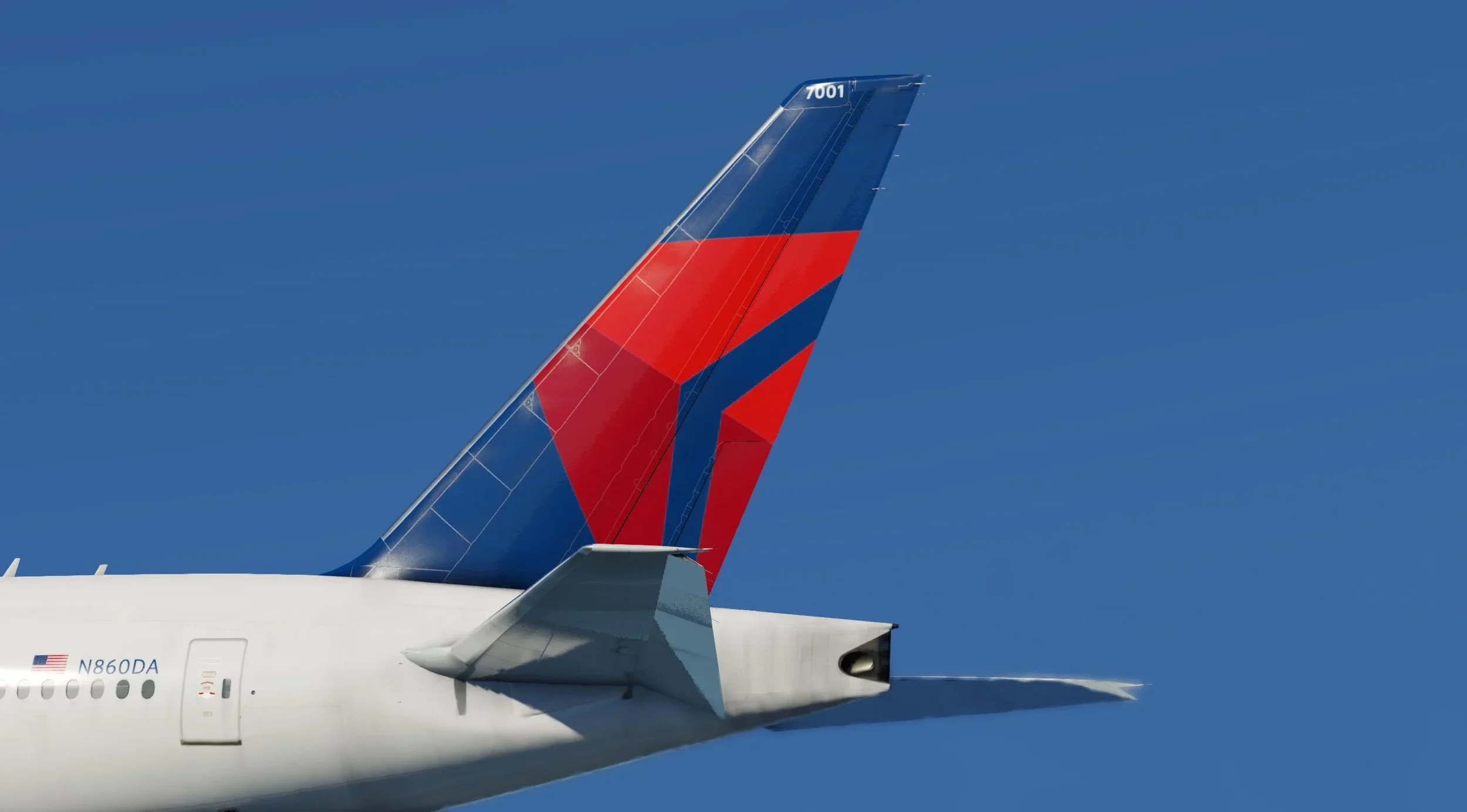
Rising contours and ascending melodies to sonically parallel the forward motion of innovative thinking as well as the livery seen on Delta aircraft today, “Upward & Onward.”
Standard intervals exude a pleasant predictability while sounds with minimal or controlled modulation offer the customer a further sense of reassurance.
Sounds with soft, slow attack convey the semblance of luxury and leisure. Including texturally rich and ambiguous soundscapes illustrates sophistication and versatility.
Customer Sound Journey
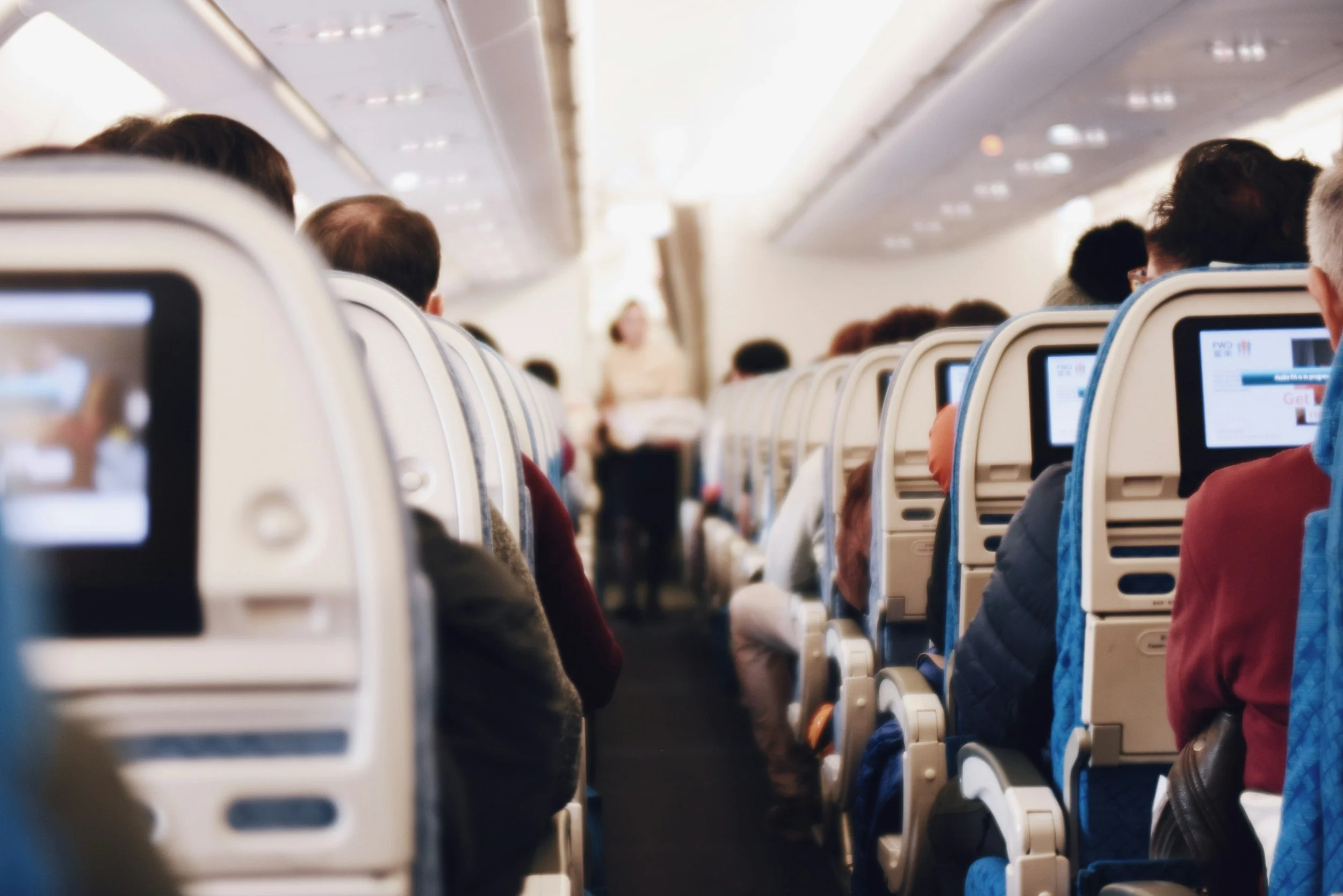
Website traffic, advertising exposure, booking/planning
1
Priming
This first phase of the customer journey poses the critical juncture where an impression is formed. It represents a potential sale for a new or returning customers, or a conversion from passenger to loyalty member.
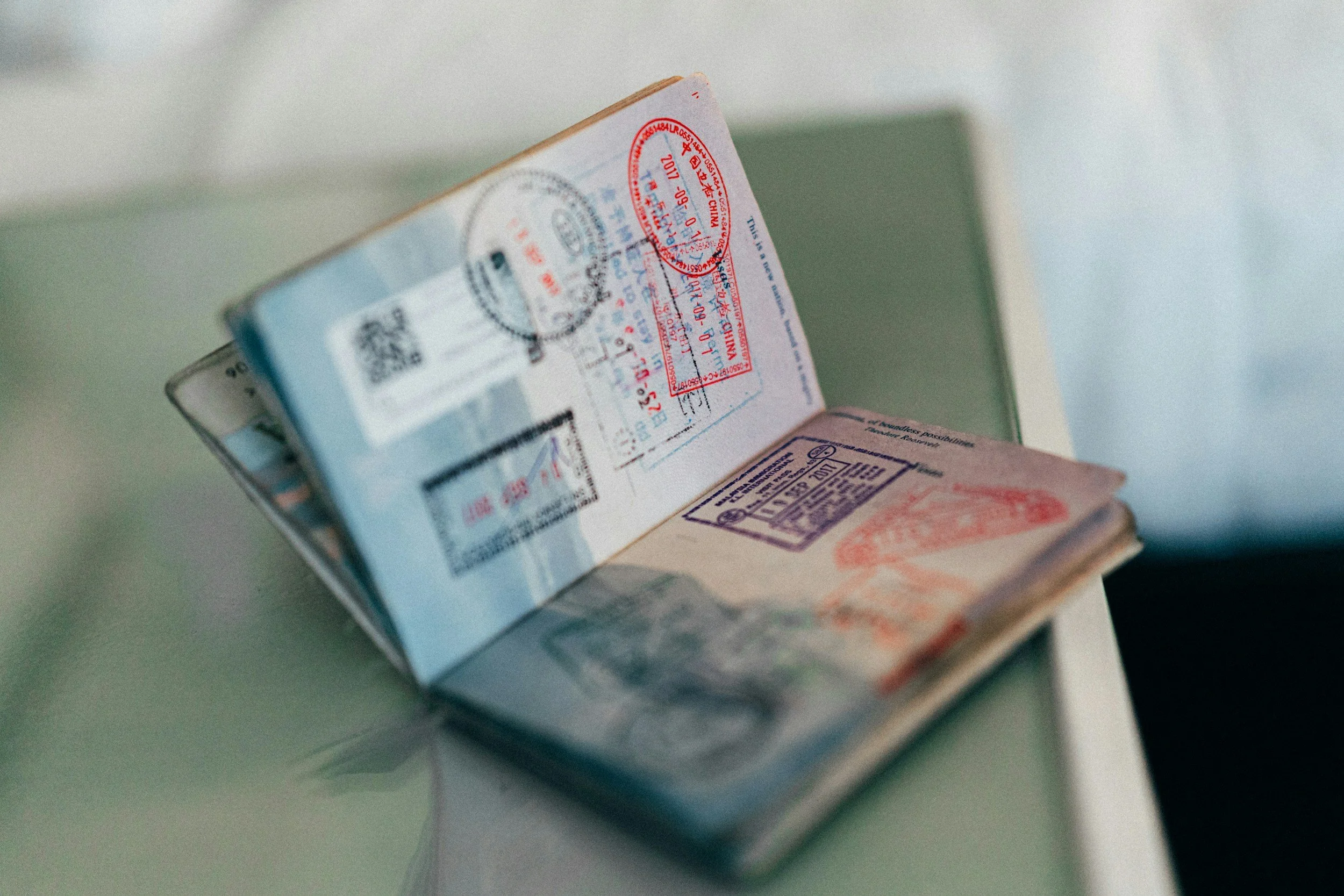

While considering or confirming travel plans, the customer will be in an exploratory, analytical, and prepatory emotional state.
Design Goal: The sounds of Delta should instill confidence, lay foundation of trust, evoke excitement of travel.
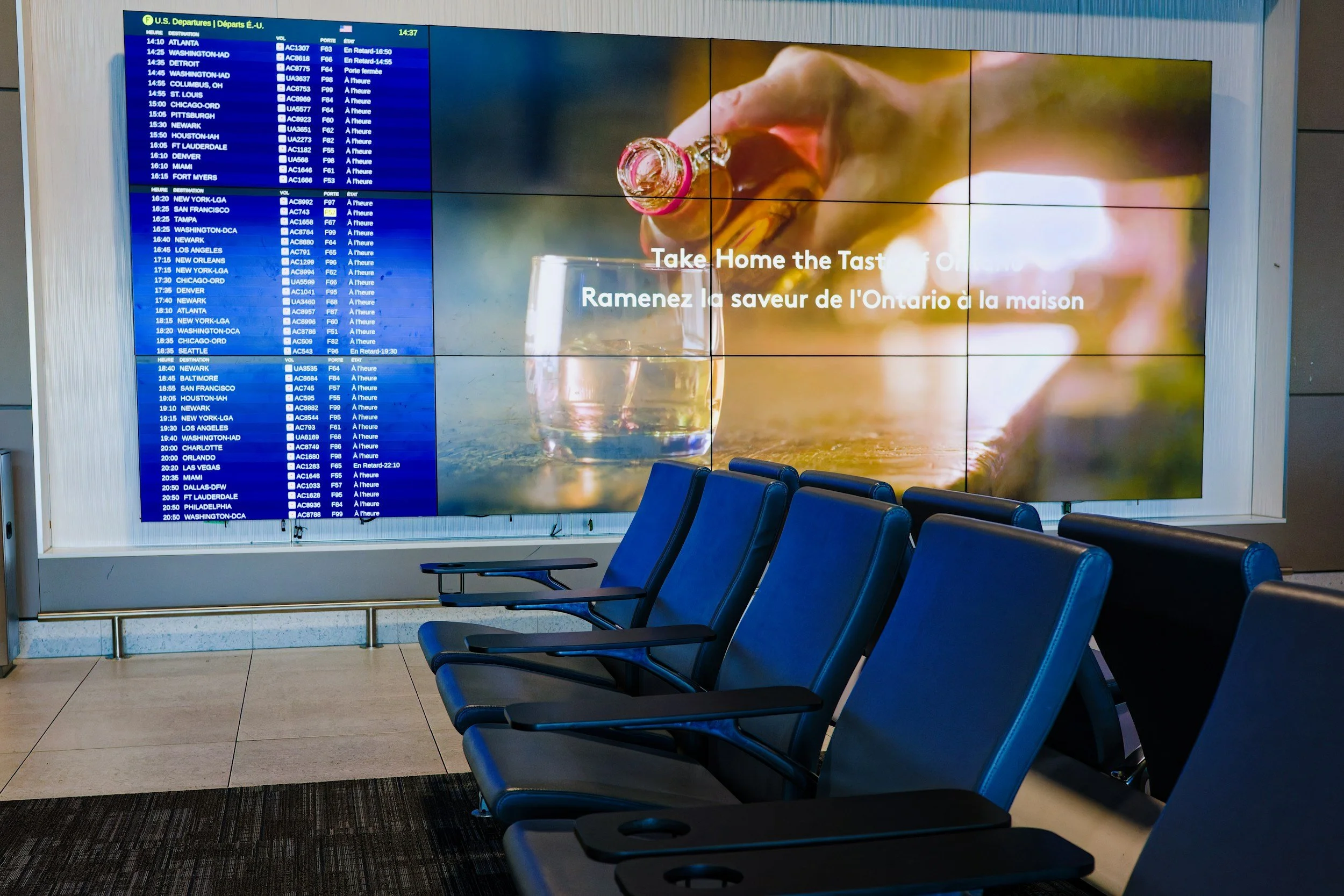
Gate agent announcements, flight status updates
2
At Gate
A 2023 study entitled Passengers’ Perception of Acoustic Environment in Airport Terminals found a quantitative link between the prevalence of loud airport announcements and traveler discomfort and stress levels. This research has confirmed the scientific basis for the rise in the adoption of the “Silent Airport” in recent years, a trend seeing airports around the world increasingly disseminate information visually rather than aurally. Dubai International Airport, often cited as the busiest for international passengers globally, was among the first high-volume hubs to implement this strategy and similarly, Delta has an opportunity to champion this emerging consumer preference for reduced noise pollution at all their gates regardless of the given airport’s policy.
Music playing during boarding process, instructions, timing information being given, safety messages being administered
3
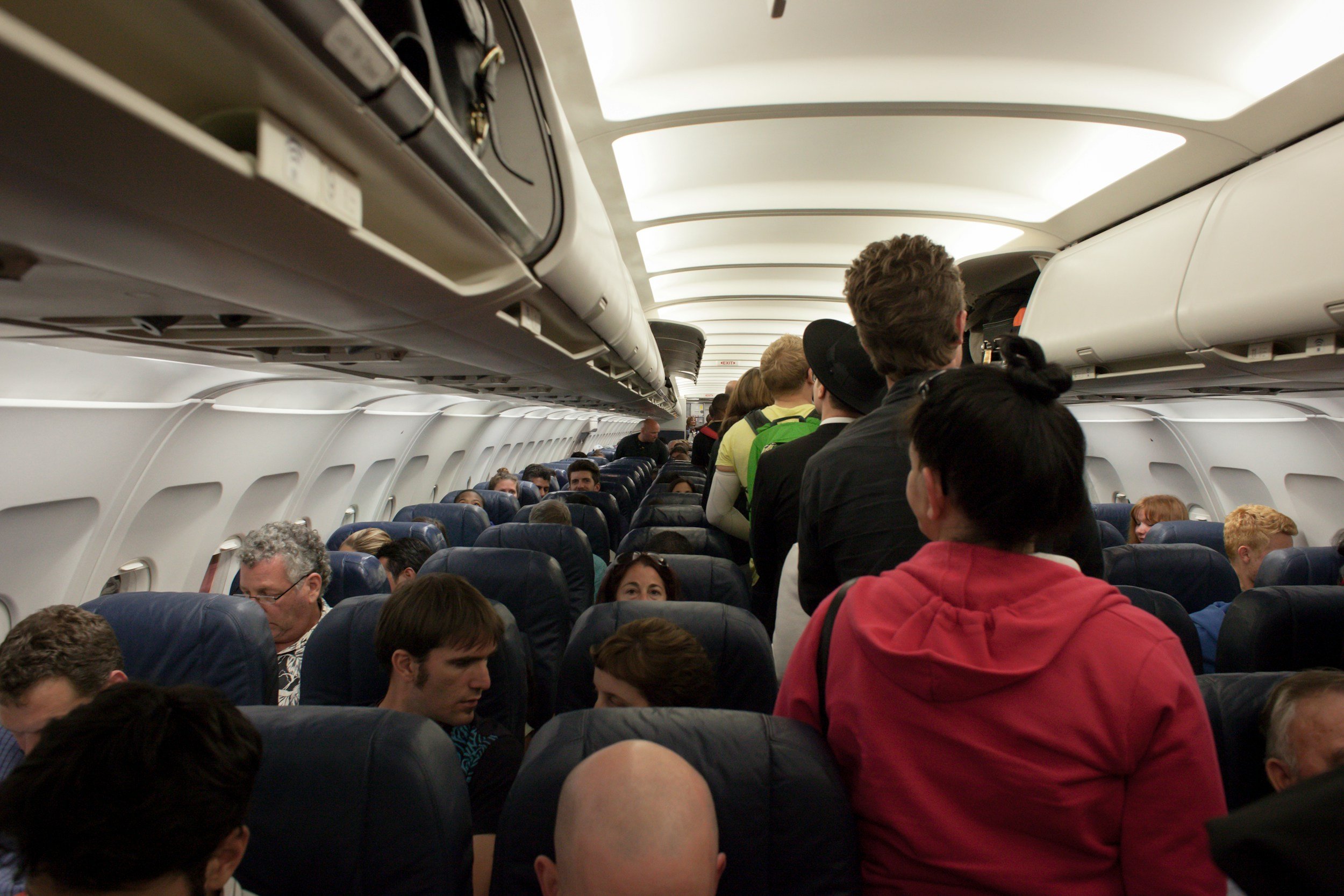
Boarding & Taxiing
This marks the first meaningful interaction during the customer sound journey that the passenger will have with Delta aircraft, the most tangible, consumer-facing asset in the entire process. First impressions are everything and ensuring a smooth transition from anticipation to participation is critical. Additionally, passengers are often the subject of baggage or safety related instructions while boarding.
While beginning their journey, the customer will be in an eager, anticipatory, and reposing emotional state.
Design Goal: The sounds of Delta should relax and decompress passengers, while conveying a sense of comfort and luxury. It should also encourage swiftness and facilitate the reception of important information.

Pilot/Attendant announcements regarding service, turbulence, etc., seatbelt/restroom lights
4
In Flight

The passenger’s impression of Delta as a brand and service provider, and by extension their willingness to consider returning as a customer, hinges most significantly upon the in-flight experience. This is evidenced by a study published in the Journal of Air Transport Management, which found that selection criteria for non-budget airlines was weighted more for attributes such as safety, reliability, and service quality, rather than availability, convenience, or cost. This renders the branding possibilities for this step of the customer sound journey most important.
While flying, the emotional state of Delta customers will be wide-ranging and non-uniform, as in-flight pre-occupation ranges from active entertainment to deep sleep.
Design Goal: The sounds of Delta should be universally unintrusive and sparing, but able to convey potentially critical information if needed.
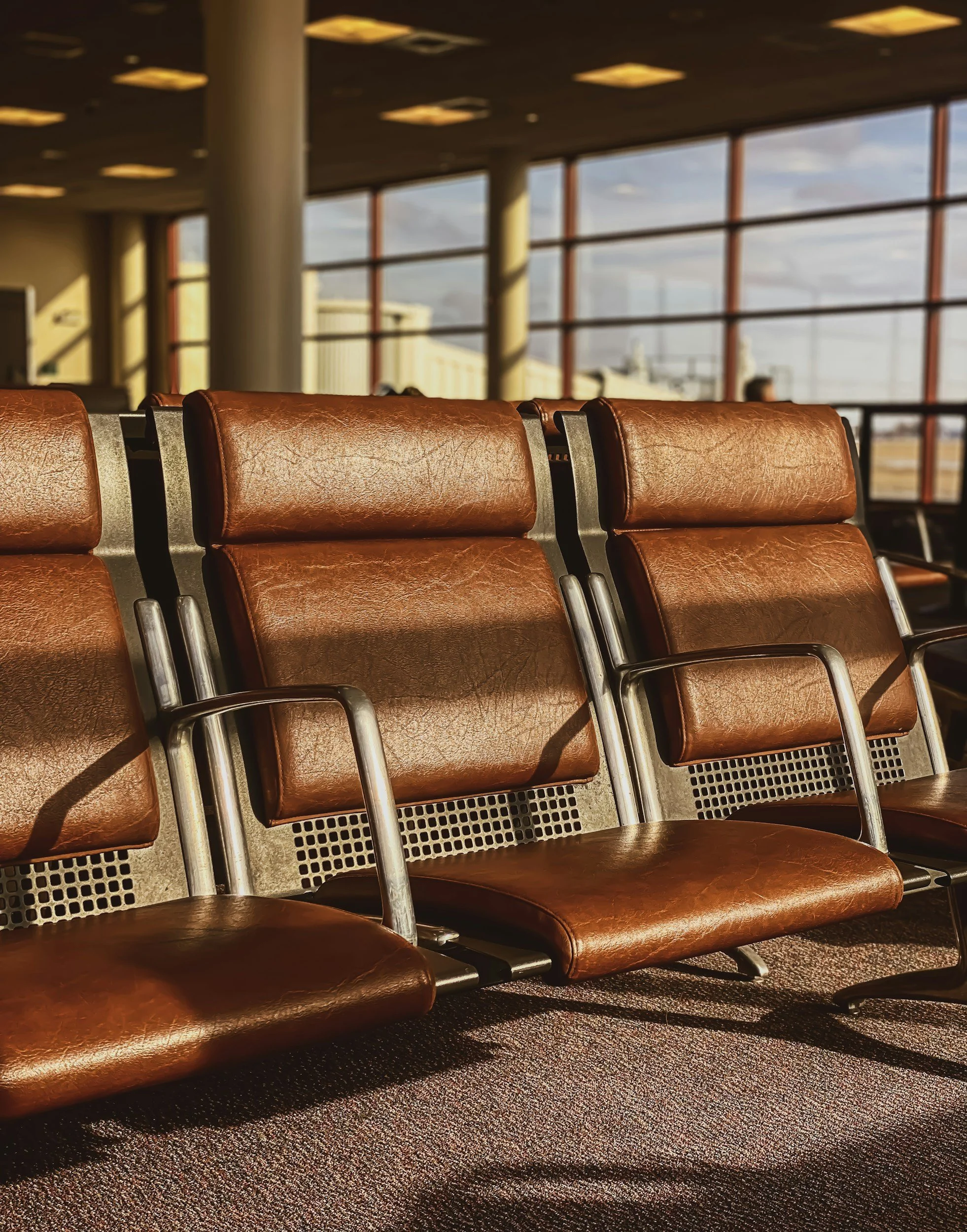
While in the airport, the customer will be in a hopeful, preoccupied, and transitory emotional state.
Design Goal: The sounds of Delta should alleviate stress, differentiate from other airlines, and be succinct, brief.



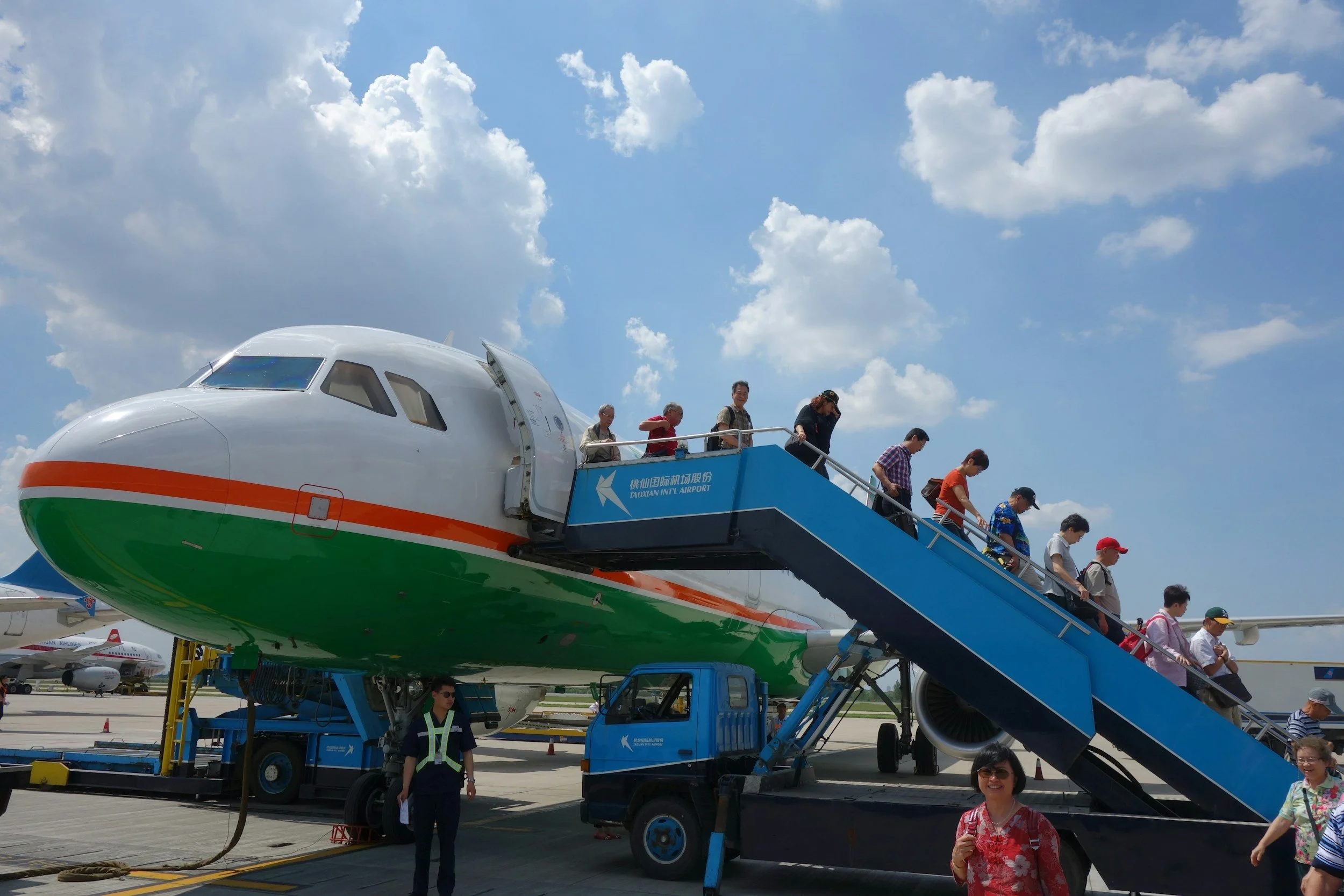
Music playing during deplaning process
5
Deplaning
While transit cultivates the framework for passenger satisfaction, the last step of the customer journey represents the opportunity to reinforce those positive associations with the brand. At this stage, however, this is best portrayed as passively as possible, as the passenger is likely solely focused on their next leg of travel or their final destination.
While ending their journey, the customer will be in a fatigued, refocusing, and expectant emotional state.
Design Goal: The sounds of Delta should quell impatience and invite customer retention.

Sonic Vocabulary
Texture
Instrumentation such as orchestral string sections breathe luxury and prestige into any arrangement, either as supporting or leading voices.
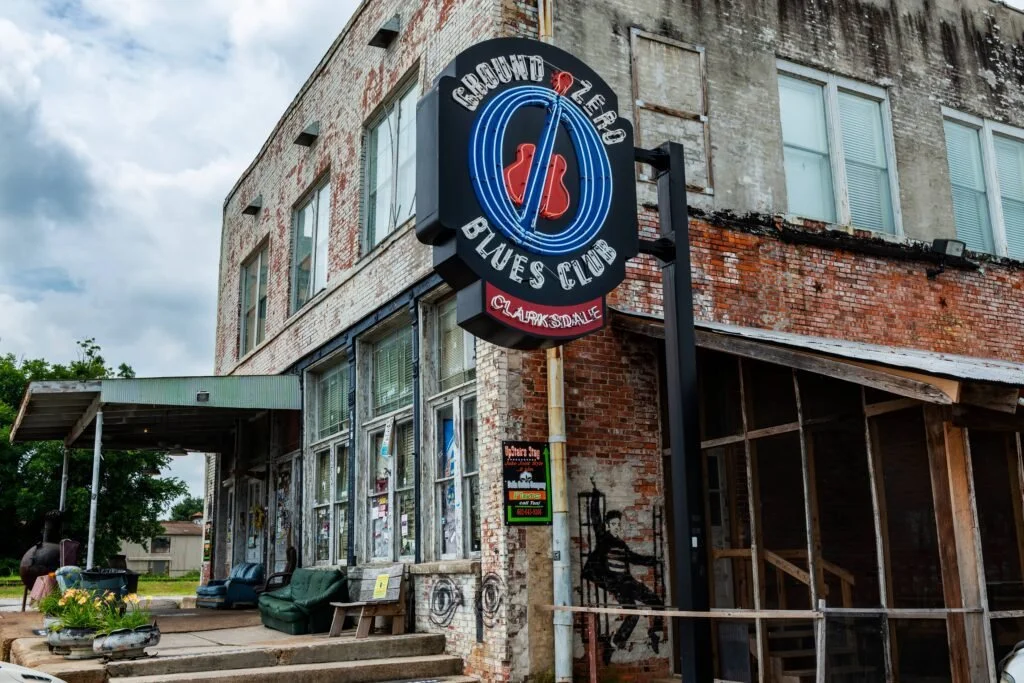
Textures of saturation and fuzz are warm and lush and simultaneously act as a reference to Delta’s lesser-known true namesake: the geographical region of the Mississippi Delta, the birthplace of the Blues.
Palette Constraints:
Movement
Rising melodies signify Delta’s livery “Upwards and Onwards,” seen above.
Gliding pitches and transitions symbolize the ease of transit with Delta.
The use of parallel harmony (also known as planing) guides the listener from phrase to phrase while maintaining consistent intervals, conveying the idea that passengers can expect consistency from Delta.
Cues to adhere to FAA guidelines and aircraft cabin constraints, avoiding frequencies that compete with safety announcements, alarms, or speech intelligibility systems.
Vocabulary to lean toward controlled dynamics, short durations, and harmonically stable tones. Overly Novel timbres or excessively forward transients could increase passenger fatigue or anxiety in high-density cabin environments.
Reuse Governance:

Motifs
Building the tonality of Delta’s sonic vocabulary around the chords of D, E, and A, allows the Delta name to be literally embedded inside the music.
Rhythmic drive and persistency echo the mechanical ticking and whirring of that of a Huff-Daland Duster biplane, the primary aircraft in Delta’s fleet while it was still a crop dusting operation in the 1920s.
At-gate sounds to be deprioritized as the global shift to silent airports advances in customer acceptance.
Sonic elements to be drawn from a limited, repeatable asset library to establish recognition over time, reserving distinct or elevated sounds exclusively for safety-critical or high-importance moments.

This piece, KEEP CLIMBING, is written for the boarding process of a Delta flight and serves as a touchpoint for other potential assets in Delta’s sonic rebrand
The Sound of Delta
Reflections
KEEP CLIMBING is built around the chords D, E, and A, following the stated motif of referencing the most prominent letters in the Delta name itself. These chords act as a structural anchor, grounding the composition in brand identity while allowing the music to evolve organically. Harmonic extensions create a sense of upward motion and ascension, reinforcing Delta’s visual identity and association with progress and trusted travel. Additionally, rather than staying within any one diatonic key, the composition shifts tonal centers throughout, reflecting Delta’s dedication to industry-leading innovation over complacency or stagnation. The use of parallel major-seven harmonies (Dmaj7 to Emaj7, and Amaj7 to Bmaj7) affirms a sense of predictability and reliability as the employment of multiple chordal resolutions references Delta’s famous former tagline: “half the trips you take will be heading home.”
To connect the brand’s forward-thinking values with that of its origins, the piece incorporates a sample of a crop-dusting biplane, tuned and granulated into both the arpeggiated lead in the climax of the song as well as the pad that closes the song. An electric guitar is featured in the opening phrase, processed through a mid-range amplifier to interpolate the feeling of the Blues, a genre hailing from the Mississippi Delta. This ensures the piece does not lack that vital human feel, which is crucial to Delta’s positioning as a service-oriented, passenger-first airline. Furthermore, a violin plays the most prominent melodic theme heard in the second half of the arrangement to signal refinement, luxury, and confidence, while synths with soft attack and subtle glide round out the mellow mid range necessary for potentially frequent, long-term listening. These references to Delta’s beginnings and current status preserve the sound of history and transport it into the modern era as a contemporary bed of rich textures.